Schools: Building the Foundation of Knowledge and Character
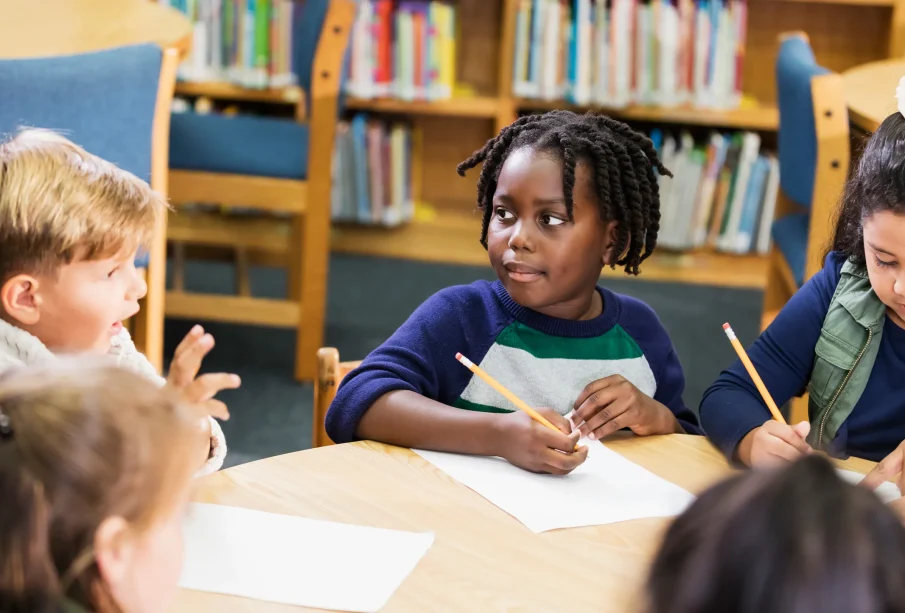
Schools play a vital role in shaping individuals and societies. They are not just places where academic subjects are taught; they are environments where values, discipline, creativity, and social skills are developed. From early childhood to secondary education, schools influence how students think, interact, and prepare for future responsibilities.
The Purpose of Schools in Society
At their core, schools exist to provide structured learning and help students grow intellectually and socially. They serve as bridges between family upbringing and the wider world.
Key purposes include:
-
Academic development through subjects like mathematics, science, and language
-
Social interaction that teaches cooperation and respect
-
Character building through rules, ethics, and responsibility
-
Preparation for higher education or careers
Types of Schools
Educational institutions differ based on curriculum, governance, and teaching approach. Each type serves distinct needs and learning styles.
Public Schools
Public schools are funded by governments and aim to provide equal educational opportunities to all students regardless of background. They usually follow a standardized curriculum and are widely accessible.
Private Schools
Private schools operate independently and are funded through tuition fees. They often offer:
-
Smaller class sizes
-
Specialized programs
-
Enhanced facilities
International and Specialized Schools
These schools focus on global curricula or specific talents such as:
-
International education programs
-
Arts, music, or sports-focused training
-
Special education support
Importance of Schools in Child Development
Schools contribute significantly to both cognitive and emotional growth. Beyond textbooks, students learn how to solve problems, manage time, and build confidence.
Major developmental benefits include:
-
Improved communication and teamwork skills
-
Exposure to diverse perspectives
-
Development of critical thinking
-
Emotional resilience through challenges and achievements
Role of Teachers and School Environment
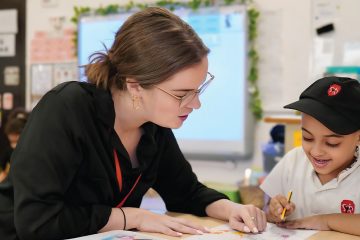
Teachers are central to a school’s success. Their guidance, motivation, and teaching methods influence student outcomes. Equally important is a safe and supportive school environment that encourages curiosity and participation.
An effective school environment promotes:
-
Respectful student-teacher relationships
-
Inclusivity and fairness
-
Opportunities for extracurricular activities
Modern Challenges Facing Schools
Schools today face evolving challenges that require adaptation and innovation.
Some key challenges include:
-
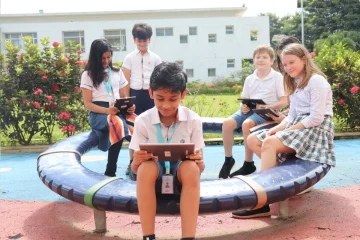
Integrating technology into learning effectively
-
Addressing mental health and student well-being
-
Ensuring equal access to quality education
-
Balancing academic pressure with holistic growth
The Future of Schools
The future of schools lies in flexible learning models, personalized education, and stronger emphasis on life skills. Blended learning, digital classrooms, and project-based education are shaping how students learn in the modern world.
Schools that embrace change while maintaining strong educational values will continue to prepare students for an increasingly complex society.
Frequently Asked Questions (FAQs)
1. Why are schools important beyond academics?
Schools help students develop social skills, discipline, values, and emotional intelligence that are essential for life.
2. What is the ideal age for children to start school?
Most children begin formal schooling between ages 4 and 6, depending on educational systems and readiness.
3. How do schools support social development?
Through group activities, teamwork, and interaction with peers from diverse backgrounds.
4. What makes a good school environment?
A supportive atmosphere with qualified teachers, safety, inclusivity, and opportunities for growth beyond academics.
5. How has technology changed schools?
Technology has introduced digital learning tools, online resources, and interactive teaching methods that enhance engagement.
6. What role do extracurricular activities play in schools?
They help students explore interests, build confidence, and develop leadership and teamwork skills.
7. How can parents support their child’s school education?
By staying involved, communicating with teachers, encouraging learning at home, and supporting emotional well-being.